Coffee Beans 101: Every Little Thing You Required to Know Concerning Coffee and Blended Coffee Beans
When it involves coffee, recognizing the nuances of espresso and combined beans can transform your everyday mug. You'll discover the unique attributes of Arabica and Robusta beans, and how each effects taste and caffeine content. From the expanding process to toasting techniques, every action plays a duty in your coffee experience. So, what makes the best mixture? Let's explore the essential aspects that add to an outstanding mug of coffee.
Comprehending Coffee Beans: Varieties and types
When diving into the world of coffee, understanding the types and varieties of coffee beans is important for every enthusiast. Arabica beans are known for their smooth, complex tastes and lower caffeine web content, making them a preferred among coffee enthusiasts.
Within these varieties, you'll locate various local selections, each bringing special features. For copyrightple, Ethiopian Yirgacheffe provides bright flower notes, while Colombian beans supply a healthy taste account. As you check out, remember to take note of handling approaches like washed or all-natural, as they can substantially influence the last preference. By familiarizing yourself with these beans and their flavors, you'll raise your coffee experience and make more enlightened choices in your brewing trip.
The Growing Refine: From Seed to Bean
When you check out the journey of coffee, all of it starts with seed choice techniques that set the structure for top quality. From there, farming and harvesting play important duties in making sure the beans grow. Handling methods transform those collected cherries into the coffee beans you love.
Seed Selection Techniques
Picking the best seeds is essential for generating high-quality coffee beans, as it lays the structure for the whole growing procedure. Pay focus to the seed's age and storage problems, as fresh seeds often tend to germinate much better. Consider the condition resistance of various ranges, as this can considerably impact your return.
Farming and Harvesting
As you support your coffee seeds into thriving plants, recognizing the farming and harvesting process is important for achieving the very best taste and high quality. Start by planting your seeds in well-draining soil, ideally in a shaded location to safeguard them from direct sunshine. As your plants expand, preserve consistent dampness, and bear in mind their demand for nutrients. Trim consistently to promote air movement and healthy and balanced development.
Hand-picking is frequently the best approach to guarantee only the ripest cherries are selected. Timing is necessary; collecting also late or as well early can affect the flavor account of your beans.
Handling Approaches Described
When you have actually harvested your coffee cherries, the following vital action is refining them to change those dynamic fruits right into the beans you'll make. There are 2 primary methods: the damp process and the dry process. In the dry process, you spread out the cherries out in the sun to dry, enabling the fruit to ferment and give one-of-a-kind tastes to the beans. On the various other hand, the wet process involves removing the fruit immediately and fermenting the beans in water, causing a cleaner taste. After processing, the beans are hulled, sorted, and normally dried once again. Each technique affects the flavor profile, so exploring with both can assist you find your favored brew. Comprehending these techniques is crucial to enjoying your coffee experience.
Toasting Techniques: How Taste Is Developed
When it comes to roasting coffee beans, comprehending roast levels is vital to revealing their distinct tastes. Each toasting method effects the scent and boosts the flavor advancement procedure, offering you a richer coffee experience. Allow's discover exactly how these factors collaborated to elevate your day-to-day brew.
Roast Degrees Described
Roast degrees play an essential function fit the flavor account of your coffee. You'll enjoy intense level of acidity and fruity notes when you choose a light roast. As you relocate to a tool roast, you'll observe an equilibrium of sweet taste and complexity, usually highlighting delicious chocolate or caramel flavors. Dark roasts, on the other hand, provide strong, great smoky attributes with much less level of acidity, making them abundant and robust. Each level results from various roasting times and temperature levels, impacting the beans' chemical composition. By comprehending these levels, you can better select a coffee that matches your taste choices. Trying out various roasts to uncover which one reverberates with you, enhancing your general coffee experience and pleasure.
Effect On Aroma
The roast degree not only influences the taste of your coffee however likewise significantly impacts its scent. When you choose a light roast, you'll commonly discover intense, flower notes that can make your coffee odor he has a good point dynamic and fresh. As the beans dim, the aroma changes; a tool roast brings out extra well balanced, caramelized fragrances, while a dark roast has a tendency to feature vibrant, great smoky undertones. Each toasting technique launches different unpredictable compounds, shaping just how your coffee scents. In addition, the freshness of the beans plays a crucial function; fresh baked coffee launches extra aromatic oils, improving that luring aroma. Pay attention to the roast degree-- it's vital to revealing the full aromatic experience of your brew.
Flavor Development Process
As you explore the flavor development process, you'll find that toasting methods play a critical role in forming the taste profile of your coffee. The roasting temperature and time directly influence the level of acidity, sweet taste, and bitterness of the beans. Light roasts maintain more of the bean's original flavors, highlighting flower and fruity notes.
Espresso vs. Blended Coffee: Secret Differences
Coffee and combined coffee each deal distinct experiences that satisfy different tastes and preferences. Espresso is a focused coffee made forcibly warm water through finely-ground coffee beans, leading to an abundant, bold flavor and a creamy layer of crema ahead. It's commonly appreciated as a shot or utilized as a base for beverages like lattes and cappuccinos.
On the other hand, combined coffee integrates numerous beans from various regions, creating a much more well balanced taste account. You'll often find blends that highlight acidity, sweet taste, or body, making them flexible for various developing techniques. While coffee concentrates on strength, blended coffee might offer a more comprehensive series of tastes that can transform with each sip.
Inevitably, your option in between espresso and combined coffee come down to your personal preference. Whether you crave a leisurely cup or a fast shock, both choices have something delicious to provide.

Brewing Methods: Unlocking the Perfect Cup
When it concerns developing coffee, discovering the right technique can transform your experience and elevate your cup. Each developing strategy has its distinct charm and can considerably impact your coffee's taste and aroma. For instance, making use of a French press permits you to take pleasure in a rich and robust brew, while a pour-over method gives a clean, intense cup with distinctive flavors.
If you like coffee, purchasing a high quality device can assist you grasp the art of pulling shots. Additionally, for ease, a single-serve skin why not try here system supplies rate without sacrificing taste.
Don't fail to remember about chilly mixture, which delivers a smooth, much less acidic coffee ideal for warm days. Explore various methods to uncover what reverberates with your taste. Each developing technique opens a brand-new world of possibilities, so take the time to explore and find your perfect This Site cup. Pleased developing!
Sampling Notes: Determining Flavor Profiles
Just how can you genuinely appreciate your coffee if you don't understand what tastes to look for? Sampling notes are your overview to recognizing the intricate globe of coffee. Some coffees might leave a chocolatey or caramel aftertaste, while others may have an intense, clean finish.
Take into consideration the body of the coffee, as well; is it ventilated and light or thick and syrupy? Don't forget acidity; an intense acidity can include life, while a reduced acidity could provide a smoother experience. By determining these taste accounts, you'll deepen your connection with each cup, making coffee tasting a delightful journey of discovery.
Tips for Selecting and Storage Coffee Beans
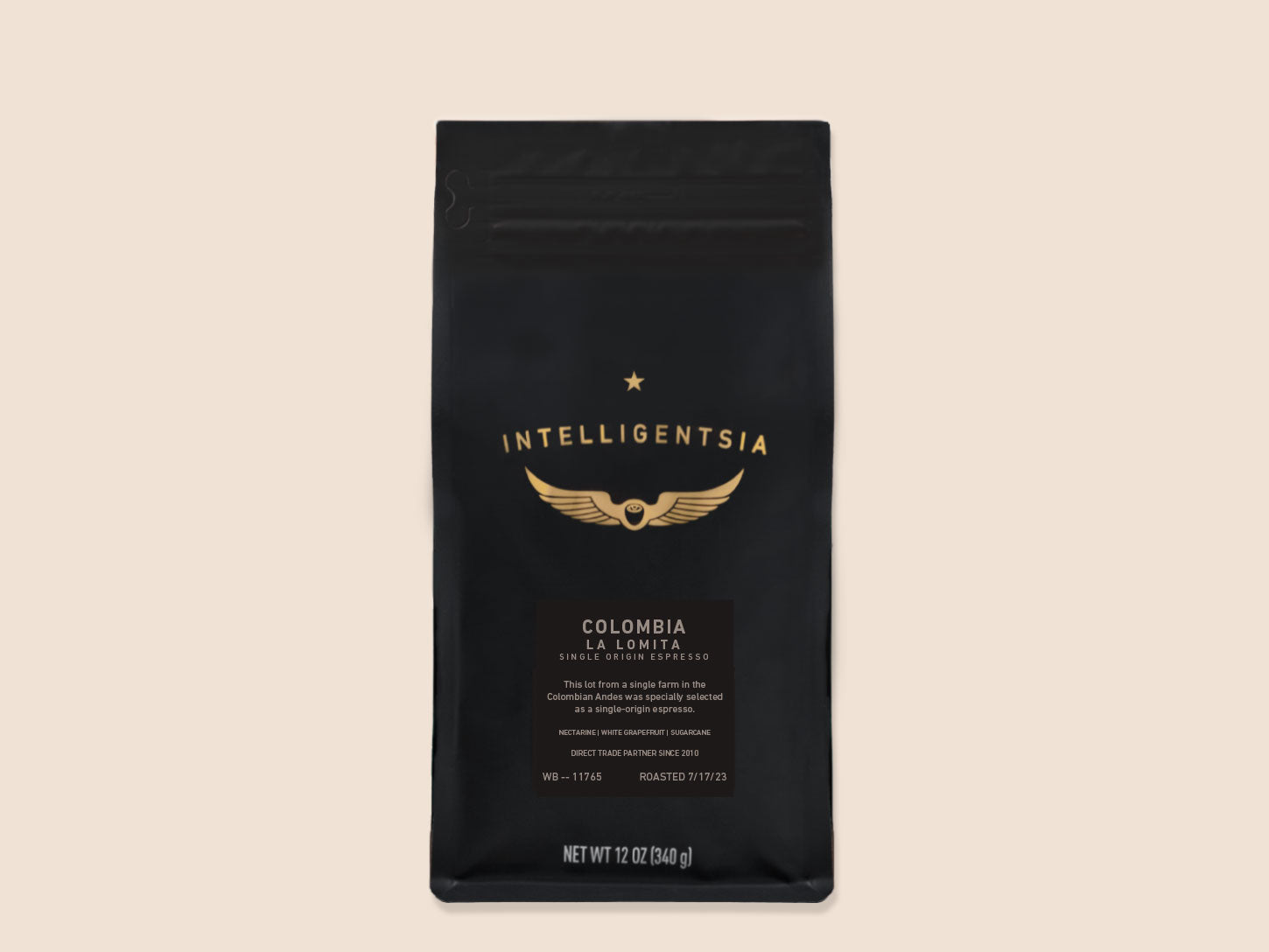
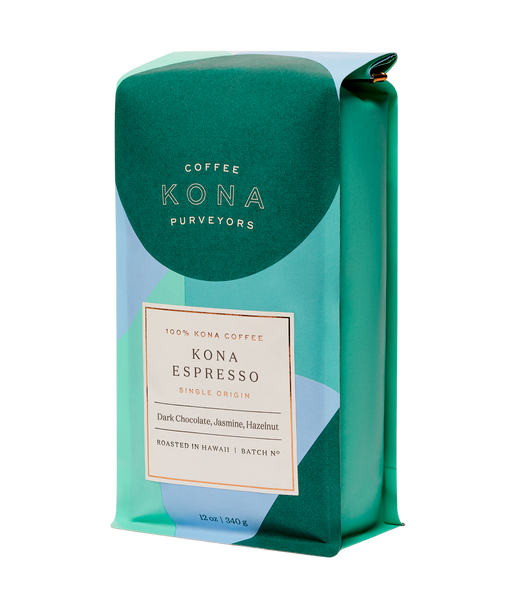
Picking and keeping coffee beans correctly can considerably boost your developing experience. Start by picking high-quality beans that suit your taste. Look for quality; beans roasted within the last 2 weeks are excellent. Check the roast date on the packaging, and purchase from regional stores or trusted roasters.
As soon as you have your beans, keep them in a closed container to stop exposure to dampness, air, and light. A dark, amazing place functions best, so avoid keeping them in the fridge or freezer, as this can introduce wetness. Only grind the quantity you need to keep freshness; entire beans retain flavor longer than pre-ground coffee.
Lastly, attempt to utilize your beans within two to 4 weeks after opening for peak taste. Adhering to these pointers will guarantee your coffee stays pleasurable and flavorful, boosting your day-to-day brew to new elevations.
Often Asked Concerns
For How Long Do Coffee Beans Keep Fresh After Roasting?
Coffee beans stay fresh for concerning 2 weeks after roasting - SOE. You need to save them in an impermeable container, away from light and dampness. After that, their taste and aroma start to diminish considerably
Can I Mix Different Coffee Bean Varieties?
Absolutely, you can mix various coffee bean varieties! Experimenting with blends can enhance tastes and develop a distinct preference account. Just make certain to stabilize the toughness and characteristics of each range for the very best outcomes.
What Is the Perfect Work Size for Coffee?
For espresso, you'll want a fine work size, concerning the appearance of salt. This allows optimal removal, causing a rich, delicious shot. Experiment a bit to discover what fits your taste best!
How Does Elevation Affect Coffee Bean Taste?
Elevation influences coffee bean taste by affecting the development rate and chemical composition. Greater altitudes bring about slower maturation, which improves acidity and intricacy, offering your coffee a distinct and vivid taste you won't neglect.
Are There Decaffeinated Variations of Coffee Beans?
Yes, there are decaffeinated variations of espresso beans. You can appreciate an abundant espresso flavor without the high levels of caffeine kick. Just search for "decaf" blends at your neighborhood cafe or specialty store.
Coffee Beans 101: Everything You Required to Know About Coffee and Blended Coffee Beans.
When diving right into the globe of coffee, understanding the types and varieties of coffee beans is essential for every fanatic.When it comes to toasting coffee beans, recognizing roast levels is key to revealing their distinct flavors. Coffee is a focused coffee brewed by requiring warm water with finely-ground coffee beans, resulting in an abundant, bold flavor and a luscious layer of crema on top.On the other hand, combined coffee combines numerous beans from various regions, producing a more balanced taste profile.